Specialist dyslexia assessments for all ages
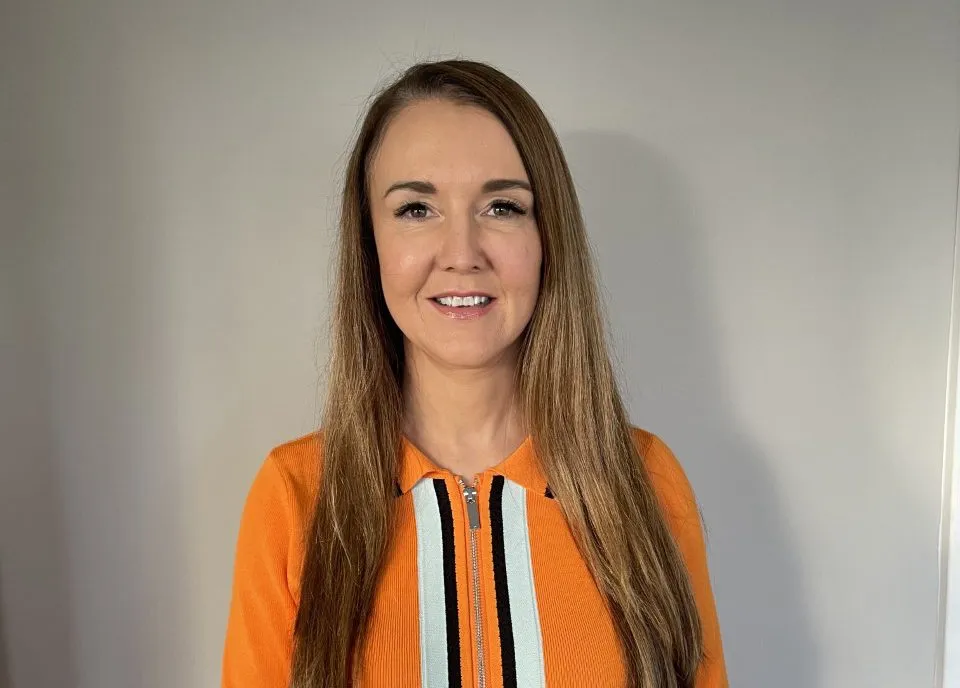
I’m Siobhan Farrelly, a specialist teacher and dyslexia assessor. I carry out diagnostic assessments for children, young people and adults, and explain what they mean in plain English.
AMBDA · Assessment Practising Certificate (BDA) · Enhanced DBS checked · ICO registered
Find the right starting point
Children
Understand how your child learns, and what kind of support will help.
Assessments for children →Young people & adults
For college, university, DSA evidence and work. For adults, ADHD and dyspraxia screening can be included in the full assessment, never on its own.
Assessments for young people and adults →Schools
Diagnostic assessments and exam access arrangements for your pupils.
Support for your school →Believe Achieve Succeed
I set up SEND Consultancy in 2019, after more than twenty years as a teacher, SENCo and specialist advisor in mainstream schools and Local Authority specialist teams.
Alongside my own practice, I’ve worked as an independent assessor for the Helen Arkell Dyslexia Charity since 2021.
More about me →- AMBDA: Associate Member of the British Dyslexia Association (ATS FE/HE)
- Assessment Practising Certificate (APC), held with the British Dyslexia Association
- Member of the British Dyslexia Association, the Dyslexia Guild and PATOSS
- National SENCo Award, University of Birmingham
Assessments and prices
Diagnostic assessment
A full assessment and written report, face-to-face or online, for children, young people and adults.
For adults aged 18 and over, ADHD and dyspraxia (DCD) screening can be included as part of the full diagnostic assessment. It is not a standalone assessment, and there is an additional charge when it is included.
Exam access arrangements
Individual pupil assessments against JCQ regulations, with package pricing for four or more pupils.
How it works
- 01
Get in touch
Call or send a message. Every assessment starts with a short conversation, so we can check it’s the right next step.
- 02
Background questionnaires
I gather background information through questionnaires, from you and, for children, from school.
- 03
The assessment
Face-to-face at my venue, at a school or at home, or online where that works best. Usually around three hours.
- 04
Your report
A written report of the findings, and a follow-up conversation to talk it through if you’d like one.
Your reviews will go here. Send James the ones you’d like to use, exactly as people wrote them, and check each person is happy to be quoted (first name or initials is fine).
From the Advice Hub
Visit the Advice Hub →Frequently asked questions
Do you have a current DBS certificate?
Yes. I hold a certificate showing I have undergone enhanced Disclosure and Barring Service (DBS) checks, and I complete regular safeguarding training as part of my ongoing professional development.
What are your qualifications as an assessor?
I hold postgraduate dyslexia assessment qualifications, Associate Membership of the British Dyslexia Association (AMBDA), and a current Assessment Practising Certificate (APC), which I hold with the British Dyslexia Association. I’m a member of the BDA, the Dyslexia Guild and PATOSS. The full list of qualifications is on the About Me page.
What are the benefits of a formal identification of a specific learning difficulty such as dyslexia?
An assessment gives personalised insight into how someone learns, including any difficulties related to areas like auditory memory or processing speed. Many people find it helps them understand why they’ve been finding certain things hard, and it can inform the support put in place at school, at work, or at home. For students, a diagnostic report can also support an application for Disabled Students’ Allowance when studying in higher education.
Talk about an assessment
Call me on 07738 307274, or send a message through the contact form and I’ll get back to you.